Everyday Health Articles | SupplementRelief.com

Health develops through patterns, routines, and experiences repeated over time.
This blog explores health as it develops through everyday life. Topics include nutrition, movement, recovery, mental and emotional health, environment, behavior patterns, supplements, and long-term adaptation.
The blog brings together educational articles from across SupplementRelief.com, including cornerstone series, focused deep dives, supplement education resources, and broader discussions related to whole-person health.
Readers looking for structured learning may wish to start with the Everyday Health Series, which organizes the site's major educational topics into connected article series. Articles can also be explored individually, by topic, or through the latest published content below.
301 Blog Posts Found

May 29, 2026Series article
Mental and emotional health becomes more stable through repeated patterns of experience, recovery, adaptation, and daily behavior. Small actions practiced consistently often have a greater influence on long-term wellbeing than occasional efforts made during times of difficulty.

May 29, 2026Series article
Mental and emotional health is not a fixed state. It changes over time in response to experiences, habits, relationships, environment, stress, recovery, and countless other influences. Understanding wellbeing as an ongoing process provides a more realistic view of how resilience and emotional steadiness develop.

May 29, 2026Series article
Emotional health is influenced not only by what happens in life, but also by how experiences are interpreted. Meaning, perspective, and patterns of attention help shape emotional responses, resilience, and overall wellbeing over time.

May 29, 2026Series article
Emotional resilience depends on more than how people respond to challenges. It is also influenced by how well they recover from those experiences. Recovery helps restore emotional capacity, making adaptation, perspective, and resilience easier to maintain over time.

May 29, 2026Series article
Environment influences mental and emotional health through physical surroundings, social conditions, digital exposure, stimulation, and daily experiences. Over time, these influences can shape stress, attention, emotional regulation, and overall wellbeing.

May 29, 2026Series article
Relationships influence emotional health through connection, support, communication, expectations, and shared experiences. Over time, the quality of relationships can affect emotional capacity, resilience, stress levels, and overall wellbeing.

May 29, 2026Series article
Routines support emotional stability by creating predictable patterns that reduce unnecessary decision-making, support recovery, and provide steady anchors throughout daily life. Over time, consistent rhythms can make it easier to manage stress, regulate emotions, and maintain perspective.

May 29, 2026Series article
Attention influences how people interpret experiences, make decisions, process information, and respond to daily life. Because attention shapes what is noticed and what is ignored, it plays an important role in mental wellbeing and overall emotional steadiness.

May 29, 2026Series article
Emotional steadiness is influenced by how the nervous system responds to demand, safety, stress, and recovery. When the body remains in a heightened state of alertness for too long, emotional regulation, patience, perspective, and resilience can become harder to maintain.

May 29, 2026Series article
Emotional regulation becomes more difficult when the brain and nervous system are asked to process a constant stream of information, demands, decisions, interruptions, and sensory input. Over time, overstimulation can reduce patience, increase reactivity, and make emotional balance harder to maintain.

May 29, 2026Series article
Stress influences both mental and emotional health, but its effects are often gradual rather than immediate. As stress accumulates and recovery becomes less complete, attention, perspective, emotional regulation, resilience, and daily wellbeing can become increasingly difficult to maintain.

May 29, 2026Series article
Emotional load is not created by a single stressful moment. It often develops gradually as responsibilities, decisions, worries, disappointments, unresolved emotions, and ongoing demands accumulate, making emotional regulation and resilience more difficult.

May 29, 2026Series article
Mental health and emotional health are closely connected, but they are not identical. Understanding the distinction helps explain how thoughts, emotions, perspective, attention, and responses interact to influence everyday wellbeing over time.

May 29, 2026Series article
Mental and emotional health reflects how people think, feel, respond, recover, relate to others, and maintain perspective while navigating the ordinary demands of daily life. Rather than being limited to mood or stress alone, it emerges from patterns that develop over time through everyday experiences.

May 29, 2026Series index
This educational series explores how stress, attention, relationships, routines, recovery, environment, and perspective shape mental and emotional health over time.

May 28, 2026Series article
Supplements are often discussed as tools for energy, sleep, stress, relaxation, or physical recovery. In everyday life, however, supplements usually function as supportive inputs within much broader recovery patterns rather than as standalone solutions.

May 27, 2026Series article
Recovery is often treated as something that happens automatically once exhaustion becomes obvious. In practice, recovery is usually more effective when it is consistently supported by ordinary daily patterns rather than only after periods of overload.

May 26, 2026Series article
Recovery capacity refers to how effectively the body restores stability between repeated physical, mental, emotional, and environmental demands. This capacity is not fixed. It changes gradually across the lifespan as routines, stress exposure, sleep patterns, movement habits, environment, and overall resilience evolve.

May 25, 2026Series article
Downtime once occurred more naturally within everyday life. Physical transitions between work, home, movement, social interaction, and evening routines often created clearer periods in which stimulation decreased, and recovery could occur more consistently.

May 24, 2026Series article
People often assume that rest automatically leads to recovery. In practice, rest and restoration are related but not identical experiences. Someone may spend time resting yet still wake feeling mentally overloaded, physically tense, emotionally drained, or not fully restored afterward.

May 23, 2026Series article
Recovery debt refers to the gradual accumulation of insufficient restoration over time. Rather than developing from a single difficult day or a single poor night of sleep, recovery debt usually builds through repeated patterns in which demands consistently exceed the body's ability to recover fully.

May 22, 2026Series article
Recovery is shaped not only by personal habits but also by the environments people live in every day. Modern routines often maintain higher levels of stimulation, activity, interruption, and mental engagement for longer portions of the day than many earlier environments did.

May 21, 2026Series article
Movement is often associated with exertion, exercise, or performance, but movement also plays an important role in recovery. Physical activity helps support circulation, tissue maintenance, joint mobility, nervous system regulation, and the body's broader ability to adapt to daily demands over time.

May 20, 2026Series article
The nervous system constantly helps the body respond to changing demands. Attention, movement, emotions, decision-making, stress responses, environmental awareness, and recovery patterns all rely on ongoing nervous system regulation throughout the day.

May 19, 2026Series article
Stress and recovery are closely connected. Recovery depends not only on rest, sleep, or downtime, but also on the amount of ongoing demand the body is trying to manage at the same time.

May 18, 2026Series article
Sleep is one of the body's most important recovery processes. While many daily patterns influence recovery, sleep provides a period where multiple restorative functions can occur together in a more coordinated way.

May 17, 2026Series article
Feeling tired is often assumed to mean the body needs recovery. Sometimes that is true. In other situations, tiredness may reflect stress, overstimulation, poor sleep quality, mental fatigue, irregular routines, emotional strain, or ongoing demands that prevent the body from fully restoring itself over time.

May 16, 2026Series article
Rest and recovery are often treated as interchangeable ideas, but they are not the same. Rest usually refers to reduced activity or time away from demands, while recovery refers to the body's broader process of restoring stability and functional capacity over time.

May 15, 2026Series article
Recovery is often associated with sleep, rest days, or taking time off after periods of stress or exertion. In everyday life, recovery is broader than that. It is the ongoing process through which the body restores stability after the ordinary demands of daily living.

May 14, 2026Series index
This educational series explores how recovery supports resilience and stability through sleep, stress management, movement, routines, and everyday adaptation.
May 13, 2026Deep dive
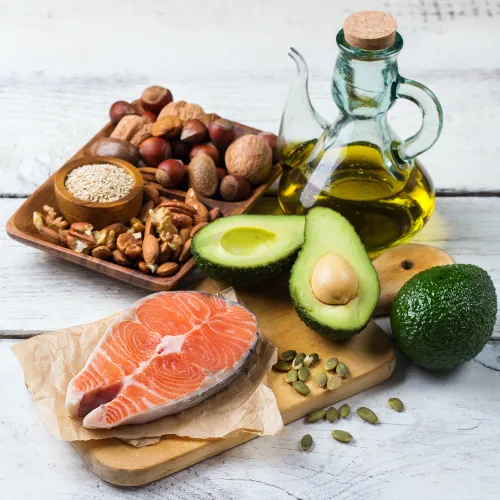
Fatty acids are often discussed in terms of balance because fats are typically encountered repeatedly through meals, cooking oils, packaged foods, supplements, and long-term dietary habits rather than through isolated moments of intake. Unlike nutrients that are sometimes framed around single servings or occasional use, fats are usually interpreted in the context of broader eating patterns that develop over time.

May 12, 2026Deep dive
Fats are commonly encountered through both ordinary foods and concentrated oil-based supplements. Although these sources are often discussed together, food oils and supplement oils are usually incorporated into everyday routines in different ways.
May 11, 2026
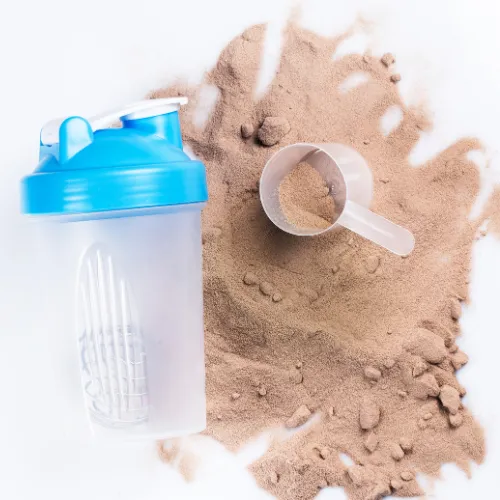
Meal-replacement shakes and protein supplements are often grouped because they can appear in similar formats such as powders, ready-to-drink beverages, and portable nutrition products. However, they are typically structured for different roles within everyday eating patterns.
May 11, 2026
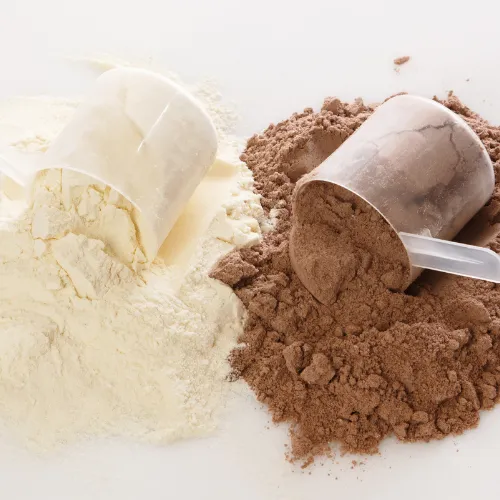
Protein powders are commonly grouped according to their source, with most products falling into either plant-based or animal-based categories. This distinction helps explain why protein powders can differ in texture, ingredient composition, amino acid profile, and how they fit into everyday eating patterns.
May 10, 2026
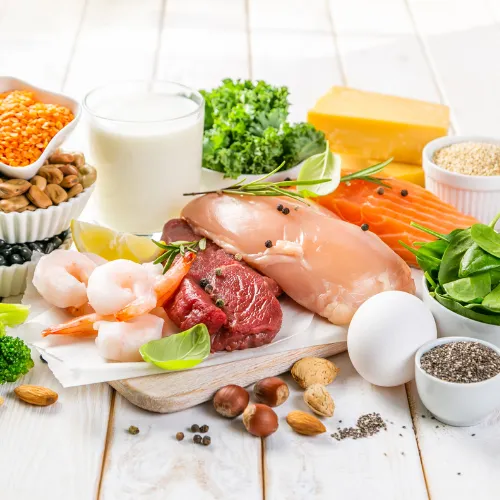
Proteins are often described as either complete or incomplete depending on their amino acid composition. This distinction helps explain why protein sources are commonly compared within everyday nutrition and why different foods may be combined across meals and routines.
May 9, 2026
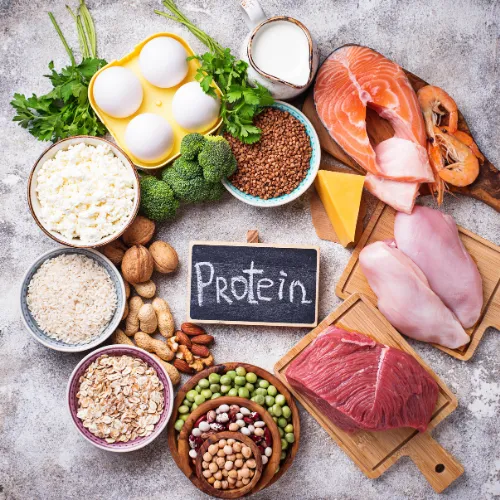
Protein intake is often discussed as part of broader eating patterns rather than as an isolated nutritional event. Unlike nutrients typically consumed in very small amounts, protein is usually considered across meals, snacks, schedules, and overall daily structure.

May 8, 2026
Herbal supplements are frequently described using words such as "support," "balance," "comfort," or "wellness" rather than highly precise or technical language. This can sometimes make herbal products feel less clearly defined than vitamins, minerals, or pharmaceutical products.
May 7, 2026
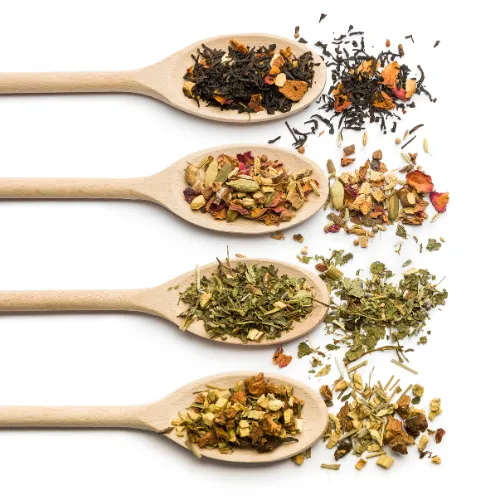
Herbal supplements may contain a single plant ingredient or combine multiple herbs within the same product. Both approaches are common throughout herbal traditions and modern supplement routines, but they are often interpreted differently depending on how the product is positioned and used.

May 6, 2026
Many herbs exist in both food traditions and supplement routines, which can make the boundary between culinary ingredients and herbal supplements feel less clearly defined. Some plants are used daily in cooking, while the same plants may also appear in teas, extracts, capsules, or concentrated botanical products.
May 5, 2026
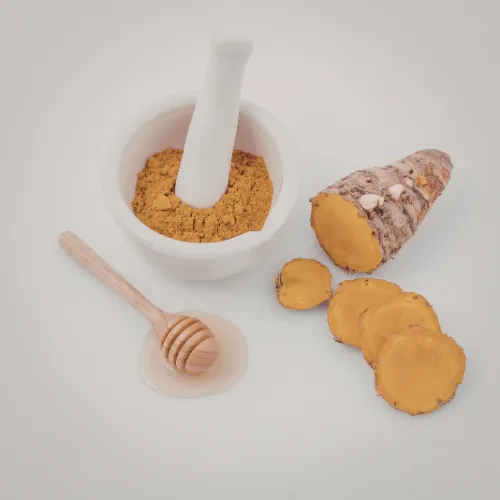
Turmeric is one of the most widely recognized herbal ingredients in modern wellness culture. It is commonly encountered as a culinary spice, a traditional herbal preparation, and a concentrated supplement ingredient, making it one of the clearest examples of how food and herbal supplementation can overlap in everyday life.
 Session Expired from Inactivity
Do you want to?



*This website provides general educational information about wellness and product context. It does not provide medical diagnosis, treatment, or individualized health advice. Health decisions are personal and are typically made in the context of an individual's own circumstances and, when appropriate, with a qualified healthcare professional.
All content and images on this website are copyrighted or licensed and are provided for personal, non-commercial use only. Unauthorized reproduction or redistribution is prohibited. ©2010-2026 SupplementRelief.com.
Are you sure you want to remove this item?